Teaching Responsibility to Kids: A Guide for Parents
Raising responsible children is one of the most important tasks of parenting. Responsibility not only helps kids grow into reliable adults but also builds their confidence and self-esteem. Teaching responsibility is a gradual process, and summer break provides an excellent opportunity to focus on this essential life skill. Here’s a guide on how to teach or make kids responsible.
1. Lead by Example
Children learn by observing their parents. Show responsible behavior in your daily actions. Whether it’s completing tasks on time, keeping commitments, or managing finances, your actions will serve as a learning model for your kids
2. Assign Age-Appropriate Chores
Giving kids chores is a practical way to teach responsibility. Start with simple tasks and gradually increase complexity as they grow older. Here are some ideas:
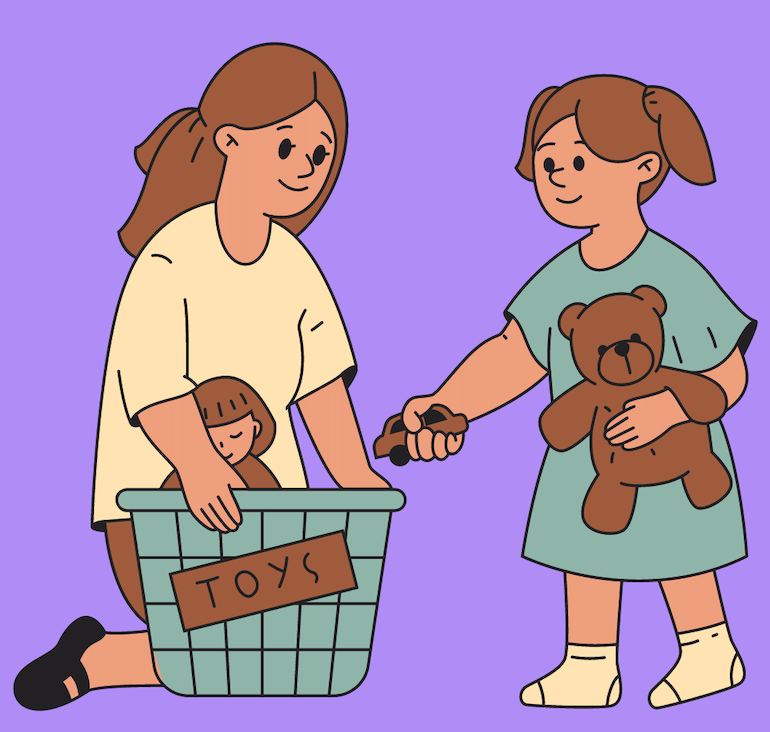
Toddlers (2–3 years): Picking up toys, putting dirty clothes in the laundry.
Preschoolers (4–5 years): Setting the table, feeding pets.
Elementary (6–9 years): Making their bed, watering plants.
Tweens (10–12 years): Taking out the trash, doing laundry.
Teens (13+ years): Cooking simple meals, managing their own schedules.
3. Create a Chore Chart
A chore chart helps kids see what their responsibilities are and track their progress. Use stickers, checkmarks, or stamps to mark completed tasks. Reward with praise or small gifts to improve positive behavior.
4. Teach Time Management
Helping kids learn to manage their time effectively is crucial. Encourage them to use planners or digital calendars to keep track of their activities, homework, and chores. Teach them to prioritize tasks and understand the importance of deadlines.
5. Encourage Problem-Solving
Allow your children to solve their own problems rather than immediately stepping in to help. Guide them through the process by asking questions that lead them to find solutions on their own. This approach helps develop independence and critical thinking.
6. Set Clear Expectations and Consequences
Communicate what is expected of your children and the consequences of not meeting those expectations. Consistency is key; ensure that rules and consequences are applied fairly and consistently.
7. Involve Them in Decision-Making
Including kids in family decision-making processes teaches them about responsibility . Whether it’s planning a family outing or deciding on weekly chores, involving them gives them a sense of ownership and accountability.

8. Teach Financial Responsibility
Introduce your children to basic financial concepts such as saving, budgeting, and spending wisely. Give them a small allowance and encourage them to manage their own money. Teach them the importance of saving for something they want rather than making unnecessary purchases.
9. Praise Effort and Improvement
Praise your children not just for completing tasks but also for the effort they put in. Recognize their improvements and achievements, no matter how small they are. This motivates them to continue being responsible.
10. Be Patient and Supportive
Teaching responsibility is a long-term process that requires patience and support. There will be setbacks and mistakes, but these are part of the learning process. Encourage your children to learn from their mistakes and keep trying.
By using these tips, you can help your children gradually learn the importance of responsibility in a supportive and encouraging environment. With patience and consistency, you’ll see them grow into individuals who can handle their duties and contribute positively to the family and community.


Comments
Post a Comment